Each procedure is described with the technique used, an indicative recovery time and answers to frequent questions. This information is general; the exact plan is set during consultation.
A
Proctology
Minimally invasive treatment of anal and perianal conditions, built around laser techniques that reduce pain and bleeding.
Haemorrhoid treatment (LHP, HAL-RAR)
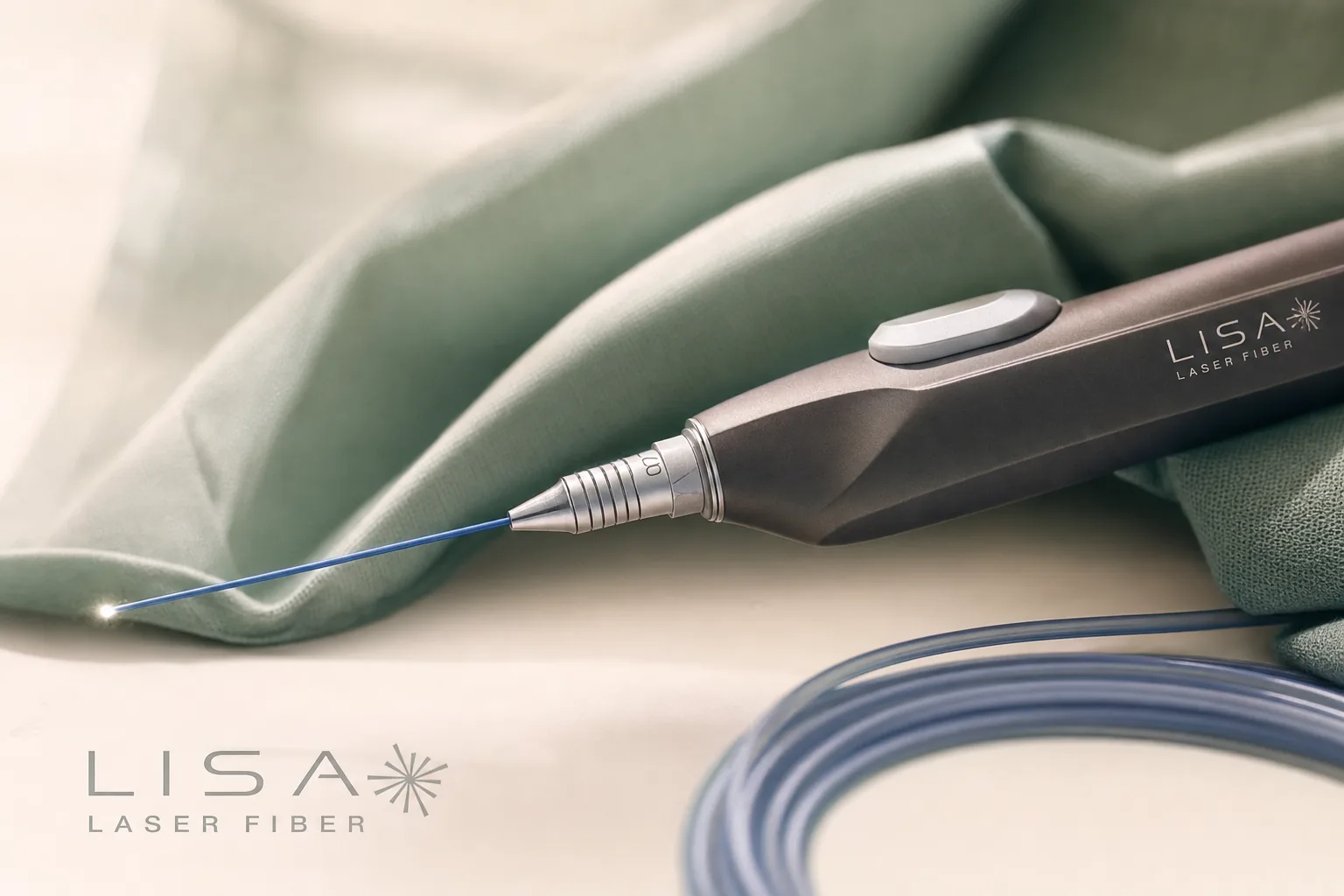
Haemorrhoids are treated minimally invasively with laser hemorrhoidoplasty (LHP) or Doppler-guided artery ligation with mucosal repair (HAL-RAR), depending on the stage.
TechniqueControlled laser energy or artery ligation, without extensive classical excision.
RecoveryLight activities resume within 1–3 days; minimal discomfort.
AnaesthesiaLocal / spinal
Frequent questions
Is the procedure painful?
Laser techniques significantly reduce post-operative pain compared with classical haemorrhoidectomy. Most patients only need mild painkillers.
How long does it take?
Usually 20–40 minutes, as a day case. You go home the same day.
The pilonidal sinus is a common condition in the sacrococcygeal area. SiLaC treats it minimally invasively, without large open wounds.
TechniqueSiLaC — Sinus Laser-assisted Closure.
RecoverySmall wounds, fast return to activity.
AnaesthesiaLocal / spinal
Frequent questions
Will I have a large wound?
No — SiLaC avoids wide excisions, so wounds are small and healing is faster.
B
Outpatient surgery
Minor surgical procedures performed as day cases for common skin and soft-tissue conditions.
Abscess, boil and phlegmon drainage
Purulent collections (abscess, boil, paronychia, phlegmon) are drained to stop infection and relieve pain.
TechniqueIncision and drainage, with electrocautery if needed.
RecoveryImmediate relief; dressings for a few days.
AnaesthesiaLocal
Frequent questions
Is hospital admission needed?
Usually not — drainage is done as an outpatient and the patient goes home with care instructions.
Lipoma and cyst removal
Lipomas (any location) and sebaceous (epidermoid) cysts are completely excised, with attention to the aesthetic result.
TechniqueSurgical excision with fine sutures.
RecoveryActivities resume within 1–2 days.
AnaesthesiaLocal
Frequent questions
Will there be a scar?
Fine sutures and careful technique aim for a scar that is as discreet as possible.
Ingrown toenail
A painful ingrown toenail is treated definitively, preventing recurrence.
TechniquePartial resection with phenolisation if needed.
RecoveryMinimal discomfort; healing within a few days.
AnaesthesiaLocal
Frequent questions
Will the problem come back?
The technique significantly reduces recurrence risk compared with simply cutting the nail.
Wound care & sutures
Suture placement and removal, electrocautery, foreign body removal (including ticks), minor burn care and chronic wound care — pressure sores, venous ulcers, diabetic foot.
TechniqueSpecialised dressings and minor procedures.
RecoveryDepends on the type of wound.
AnaesthesiaLocal / no anaesthesia
Frequent questions
Do you treat chronic wounds?
Yes — including venous ulcers, pressure sores and diabetic foot, with a step-by-step care plan.
C
Surgery & laparoscopy
General surgery procedures, including minimally invasive laparoscopic techniques, with attentive post-operative follow-up.
Laparoscopic procedures
Laparoscopic surgery uses small incisions and a video camera, which means less pain and faster recovery.
TechniqueMinimally invasive approach with small incisions.
RecoveryGenerally faster recovery than open surgery.
AnaesthesiaGeneral
Frequent questions
What are the advantages?
Small incisions, less pain, short hospital stay and a faster return to activity.
Hernia repair
Hernias (inguinal, umbilical and others) are repaired surgically, often with a reinforcing mesh.
TechniqueClassical or laparoscopic repair, individualised.
RecoveryGradual return to activities.
AnaesthesiaGeneral / spinal
Frequent questions
Can I exert myself after surgery?
Effort is resumed gradually as advised; you will receive a clear recovery plan.
Post-operative follow-up
Careful follow-up after a procedure ensures optimal healing and early detection of any problem.
TechniqueScheduled check-ups and recovery guidance.
RecoveryFor as long as each case requires.
Frequent questions
How often are check-ups?
The frequency is set according to the type of procedure and your progress.
This site uses only strictly necessary cookies. Embedded widgets (Pro Medical, YouTube) may set their own cookies. Learn more